How Video Marketing Drives Leads and Local Visibility for Porta Potty Rental Businesses
Video marketing helps porta potty rental companies turn abstract claims—clean units, reliable delivery, and capacity—into visible proof that shortens the sales cycle and increases bookings. This guide walks operators through practical ways video builds trust, boosts local search visibility, and drives measurable conversions with the right formats, platforms, and tracking. You’ll get shot lists, format priorities, distribution tactics, and a simple measurement framework tuned for portable restroom marketing and local search. By the end, you’ll know which videos to make, where to publish them for local impact, and how to link views back to real bookings using common analytics and CRM signals.
Why Is Video Marketing Crucial for Porta Potty Rental Businesses?
Video matters because it converts service features—cleanliness, punctual delivery, and available units—into visible proof that reduces buyer hesitation and increases calls and form submissions. Footage of cleaning routines, interior shots, and fleet logistics addresses the main objections buyers have about sanitation services. Video also lifts engagement metrics like watch time and click-through rate—signals that can help local search visibility for queries such as portable restroom rentals. And because video works across YouTube, social feeds, and your Google Business Profile, it creates repeated exposure that improves recall among event planners and municipal buyers.
Videos deliver three practical benefits for trust and visibility:
- Proof of Cleanliness: Cleaning demos visually reduce perceived risk and speed decisions.
- Operational Transparency: Delivery and setup clips reassure customers booking large events.
- Local Search Lift: GBP and YouTube videos increase profile views and map-pack engagement.
Those benefits set the stage for choosing the right video types and a distribution plan, which we cover next.
How Does Video Build Trust by Showcasing Cleanliness and Reliability?
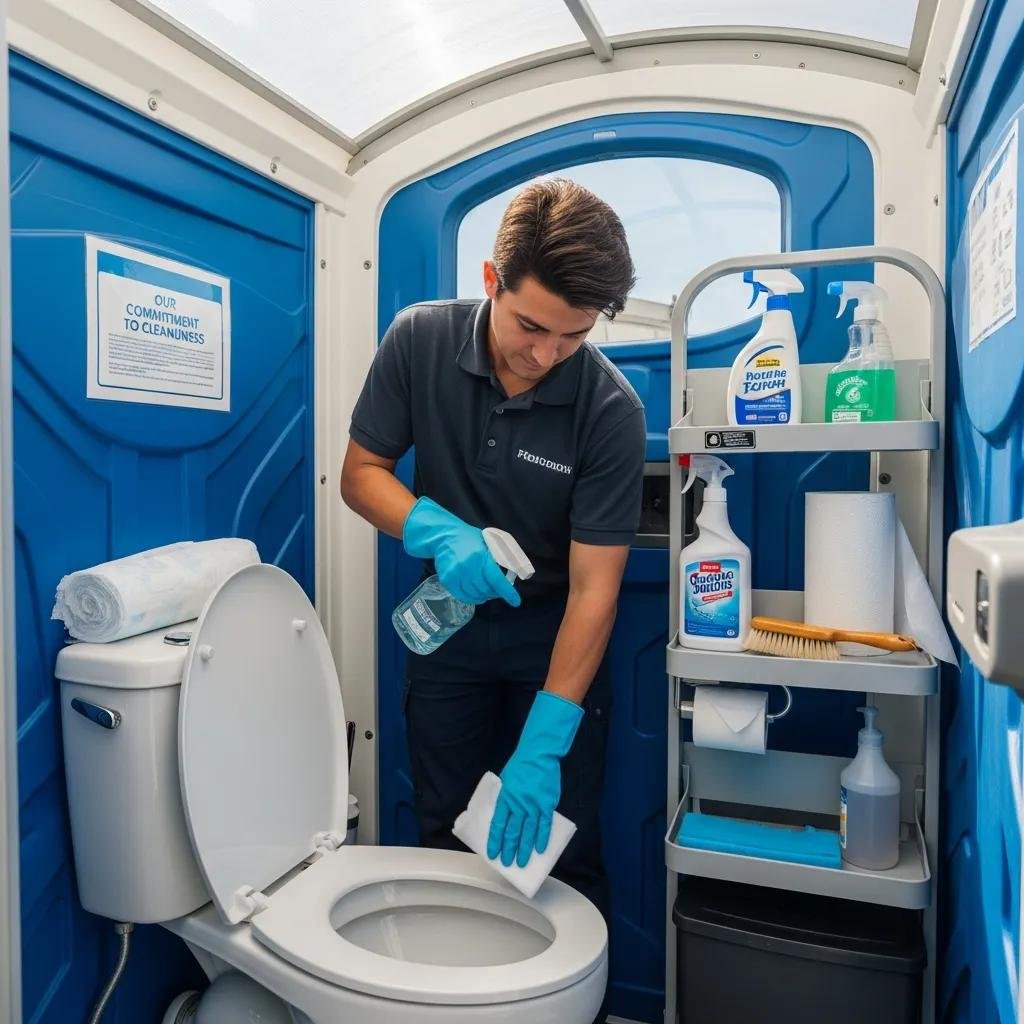
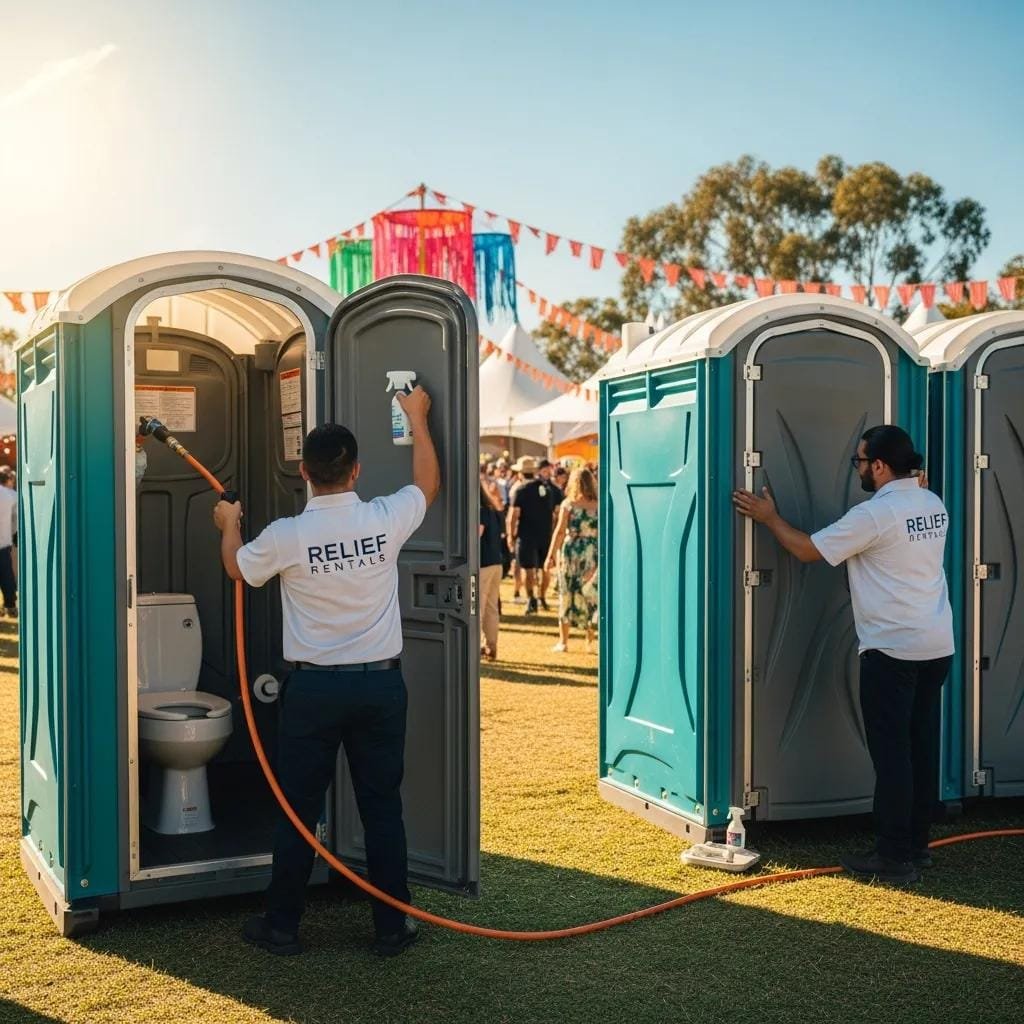
Showing cleaning and maintenance on camera turns claims into verifiable actions customers can assess quickly. A short shot list—interior wipe-down, hand-sanitizer station, odor-control products, sealed supply chain—communicates hygiene standards and removes objections before a quote is requested. Include timestamps and staff badges to reinforce punctuality and professionalism, and add brief on-screen captions noting service frequency and approved sanitation products. These elements act as both social proof and operational proof, and they naturally lead into event-focused content that demonstrates scale and logistics for bigger bookings.
In What Ways Does Video Enhance Local Search and Customer Engagement?
Video helps local search by increasing dwell time, click-through rates, and interactions on your Google Business Profile—factors that correlate with stronger local visibility and more calls. Optimize titles, descriptions, and tags with local keywords (for example, “porta-potty video demo [city]” or “porta potty rentals YouTube ad”), and use VideoObject schema where you can so search engines index your content more easily. Short captions and transcriptions improve accessibility and add keyword relevance, while compelling thumbnails and clear CTAs lift play rates. Those optimizations turn watch metrics into real local discovery and inbound inquiries.
What Types of Video Content Drive Success in Portable Toilet Marketing?
Match video formats to buyer intent: educational pieces reduce friction, testimonials build trust, and short ads drive immediate action for events and rentals. A mix of explainer/hygiene demos, customer testimonials, event showcases, behind-the-scenes (BTS) footage, and short-form ad creatives covers the funnel from awareness to booking. Each format has a specific role—educate, reassure, or convert—so prioritize based on your sales cycle and local demand.
Key video types and quick purposes:
- Explainer / Hygiene Demonstration Videos: Teach prospects your cleaning standards and unit differences.
- Customer Testimonial Videos: Offer social proof that helps event organizers decide faster.
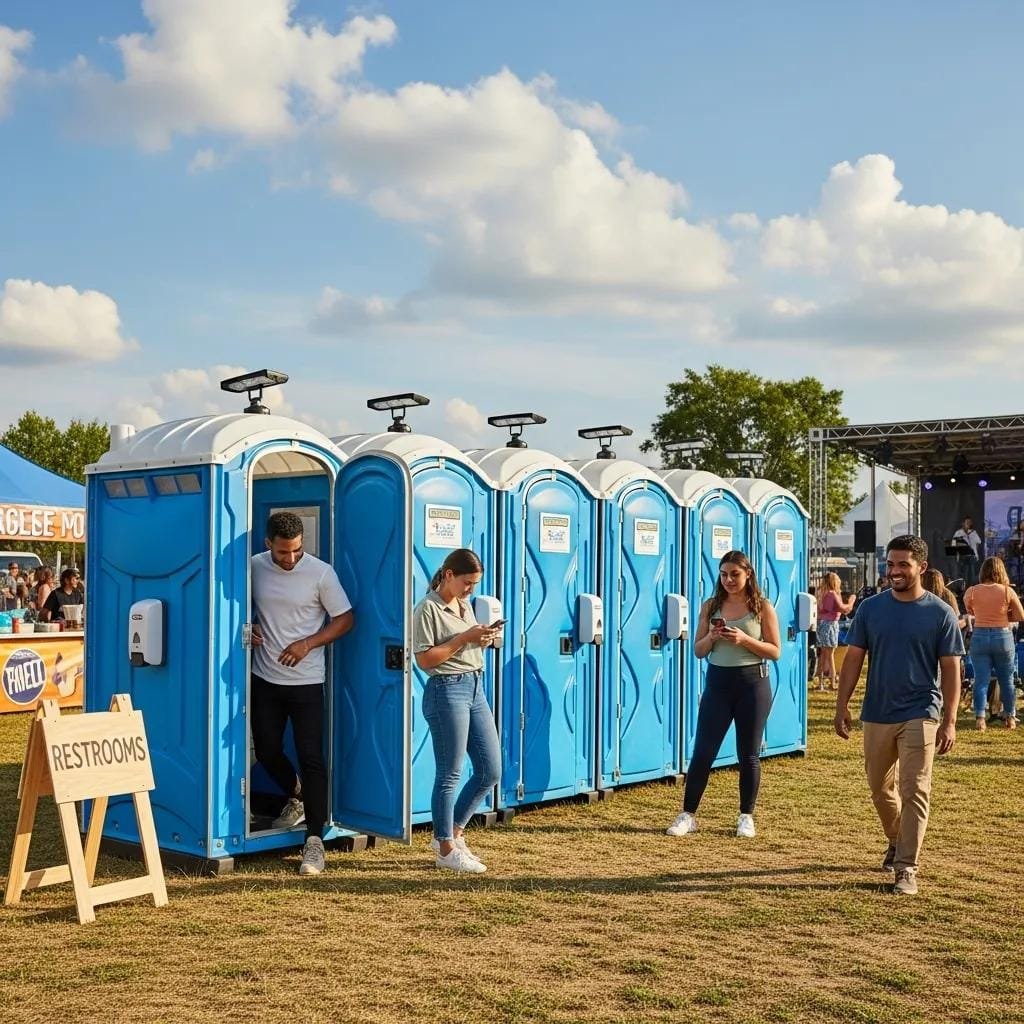
- Event Showcase Videos: Prove capacity and logistics for large bookings.
- Short-Form Ads: Drive clicks and retargeting on social with strong CTAs.
Use the quick comparison below to pick the right format for your objective.
The following table compares common video formats, their primary objectives, typical lengths, and example CTAs.
| Video Type | Primary Objective | Typical Length | CTA Example |
|---|---|---|---|
| Explainer / Hygiene Demo | Educate on cleanliness and unit features | 60–90s | Request a quote |
| Customer Testimonial | Build trust with social proof | 30–60s | Call to book |
| Event Showcase | Demonstrate capacity and logistics | 60–90s | Inquire for event pricing |
| Short-form Ad (Reels/TikTok) | Drive awareness and immediate clicks | 6–30s | Visit booking form |
This snapshot helps prioritize production based on local demand and campaign goals. When you’re ready to scale, agencies focused on porta-potty marketing can turn these formats into targeted paid and organic campaigns that convert.
Remember the article’s main conversion goal: help porta potty businesses use video to generate more leads and bookings. SEO for Porta Potties can create and integrate these video types into paid ads, local SEO, and social campaigns using industry-specific data and tactics.
Where Should Porta Potty Rental Businesses Share Their Video Marketing Content?
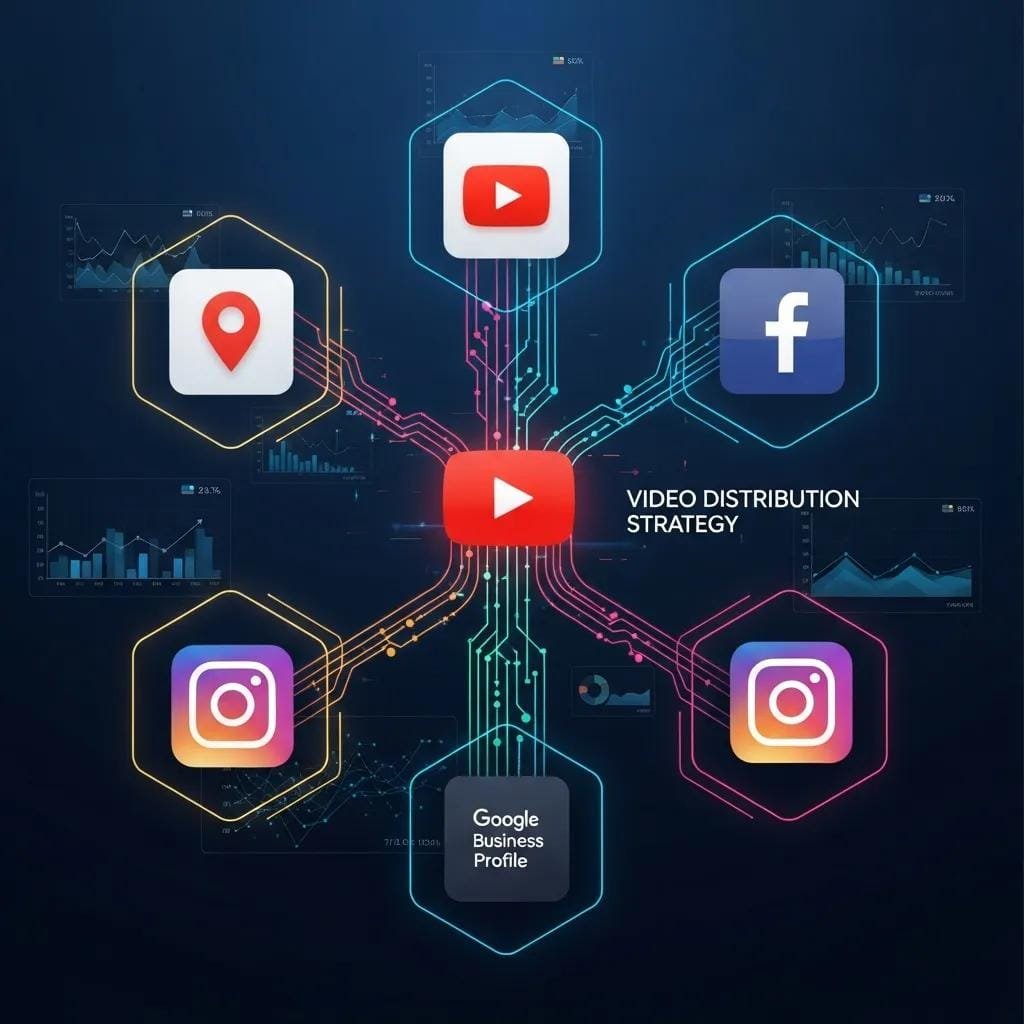
Distribution is key: put conversion-focused videos on landing pages, use YouTube for discoverability, publish short clips on social for local awareness, and add concise hygiene or fleet videos to your Google Business Profile to boost map-pack actions. Each platform has unique creative and targeting needs, so repurpose assets—full-length for YouTube, vertical cuts for Reels/TikTok, and trimmed testimonials for GBP—to get the most mileage. Pair paid targeting (social and YouTube ads) with organic posts so potential customers see your brand several times along the buyer journey.
Platform strengths and tactical tips:
- Website Landing Pages: Convert with focused, CTA-first video.
- YouTube: Capture search intent with longer demos and descriptive metadata.
- Facebook/Instagram: Use local targeting and retargeting for event planners.
- TikTok/Reels: Publish short, engaging clips designed for fast consumption and shares.
- Google Business Profile: Post brief cleanliness and fleet clips to increase profile actions.
Use the table below to match each platform with its measurement focus.
| Platform | Best Use Case | Targeting Options | Measurement KPI |
|---|---|---|---|
| YouTube | Searchable demos and ads | Keyword + audience | Watch time, CTR |
| Facebook/Instagram | Local ads and testimonials | Interest, location | CTR, leads |
| TikTok | Short awareness clips | Hashtag, local trends | Views, engagement |
| Google Business Profile | Local discovery | Local searches | Profile views, calls |
That comparison clarifies where to place each asset and which KPI to watch for local conversions. Repurposing long-form videos into short clips multiplies reach without a lot of extra production cost.
What Are the Benefits of Using YouTube and Social Media Platforms?
YouTube provides search discovery and long-tail value for queries like “porta potty video ads,” while social platforms deliver precise local targeting and fast engagement for event promotions. For production, vertical edits and bold thumbnails increase play rates on social, and keyword-rich, descriptive titles help discoverability on YouTube. Keep a posting cadence that mixes evergreen explainers with recent event showcases and updated testimonials to stay relevant and feed retargeting pools. Turning one master video into several formats lowers cost and improves distribution efficiency.
How Can Google Business Profile Videos Improve Local Visibility?
Short, high-quality Google Business Profile videos act as trust signals in the local map pack by boosting profile views and on-profile actions like calls and direction requests. Use concise clips—cleaning demo, fleet shot, or brief testimonial—under 30 seconds and add clear captions with local keywords to improve relevance. GBP insights show views and actions, which you can compare against other local signals. Regularly refreshing GBP video content keeps your profile active and signals freshness to local searchers.
How Can Porta Potty Rental Businesses Measure the Impact of Video Marketing?
Measurement connects views to bookings by tracking engagement metrics and mapping them to leads with UTM parameters, CRM records, and conversion events. Focus on a small set of KPIs that indicate both audience interest and business outcomes, and instrument your website, YouTube, and paid social campaigns to capture those events. Combine platform analytics with GA4 and CRM entries to attribute conversions and calculate a straightforward ROI using average booking value and cost-per-lead.
Key KPIs and how to track them:
- View-Through Rate: Platform metric for organic or ad play rate.
- Average Watch Time: Shows content relevance and message retention.
- Click-Through Rate to Quote Page: Moves viewers toward conversion.
- Leads Attributed to Video: Tracked via UTM parameters and CRM matches to bookings.
Below is a practical KPI tracking table with suggested methods and example targets.
| Metric (Entity) | Tracking Method (Attribute) | Target Value / Example (Value) |
|---|---|---|
| View-Through Rate | YouTube / ad platform analytics | 20–40% for 30–60s ads |
| Average Watch Time | YouTube Analytics | 40–60 seconds on demos |
| CTR to Quote Page | UTM-tagged links | 2–5% for targeted ads |
| Leads Attributed | CRM match to UTM events | 5–15 leads / month per local campaign |
This framework links platform engagement to bookings and helps you calculate video ROI for seasonal or event-driven demand.
Which KPIs Indicate Video Marketing Success and ROI?
Success follows a conversion chain: view → site visit → quote form or call → booking. Focus on metrics that sit along that chain—watch time (engagement), CTR (interest), leads per video (outcome), and cost-per-lead (efficiency). Benchmarks vary by market, but steady increases in watch time and CTR alongside stable or falling cost-per-lead generally indicate improving ROI. Tie those KPIs to your average booking value for a clear ROI picture.
What Tools Help Track Video Engagement and Lead Generation?
Combine platform analytics (YouTube Analytics, social ad reports) with Google Analytics 4 and your CRM using UTM parameters to attribute leads accurately. Set up event tracking for video plays, CTA clicks, and form submissions, and run weekly reports to spot trends. Regular reporting and cross-referencing ensure video spend aligns with lead-generation goals and that optimizations improve both engagement and bookings.
If you prefer outside support, SEO for Porta Potties offers video-integrated services—local SEO, paid ads, social media, content marketing, lead generation, and reputation management—built specifically for porta potty rental businesses. Our industry focus and data-driven approach help implement tracking, optimize campaigns, and scale bookings through integrated video strategies while respecting a one-business-per-area policy and a proven record of generating leads.
Frequently Asked Questions
1. What are the best practices for creating engaging video content for porta potty rentals?
Tell a clear story that highlights what sets you apart. Use steady, well-lit footage to show cleanliness, efficient operations, and satisfied customers. Include short testimonials and a few behind-the-scenes moments of your crew in action. Keep most videos between 30 and 90 seconds and end with a clear CTA. Don’t skip SEO—use relevant keywords in titles and descriptions so your videos are discoverable on YouTube and Google Business Profile.
2. How can I effectively promote my video content across different platforms?
Tailor creative and timing for each platform. Use YouTube for longer, informative demos that capture search intent; use Facebook and Instagram for targeted local ads and testimonials; and cut short snippets for TikTok and Reels to boost reach. Run targeted ads to reach event planners and local buyers, and repurpose the same footage into multiple formats to maximize exposure without doubling production costs.
3. What role does video length play in viewer engagement?
Length matters. Short clips (under 60 seconds) perform best on social where attention is short. For YouTube demos or explainers, 60–90 seconds gives enough time to explain cleaning practices or unit differences without losing viewers. Always front-load the most important information so viewers get the key message in the first few seconds.
4. How can I use analytics to improve my video marketing strategy?
Track view-through rate, average watch time, and CTR to see what’s working. Use YouTube Analytics and Google Analytics to understand viewer behavior and demographics. Review the data regularly to identify which videos drive clicks and leads, then iterate—adjust titles, thumbnails, or the call to action based on what performs best.
5. What types of video content are most effective for different stages of the customer journey?
For awareness, publish explainers that introduce your service and hygiene standards. In the consideration phase, use testimonials to build trust. At the decision stage, event showcases and logistics videos help convert leads into bookings. Use short-form ads to retarget warm prospects and drive immediate action.
6. How often should I update my video content to maintain engagement?
Refresh content every few months—especially GBP and social posts—to stay relevant. Add new testimonials, recent event footage, or seasonal promos during peak rental times. Fresh content keeps repeat viewers engaged and signals activity to search engines.
7. Can video marketing help with reputation management for porta potty rental businesses?
Yes. Video lets you show, not just tell—clean units, reliable crews, and happy customers. Positive testimonials and transparent how-to videos can counter negative perceptions and demonstrate professionalism. Regularly publishing quality content builds a stronger online reputation and attracts new customers while keeping current ones reassured.
Conclusion
Video marketing is one of the most practical ways porta potty rental businesses can prove cleanliness and reliability, increase local visibility, and convert viewers into bookings. With a focused mix of demos, testimonials, event showcases, and short-form ads—paired with simple tracking—you can measure results and grow leads predictably. If you want help implementing these tactics, our team at SEO for Porta Potties specializes in integrated video strategies that drive bookings and scale local results. Start using video today and turn curiosity into confirmed jobs.